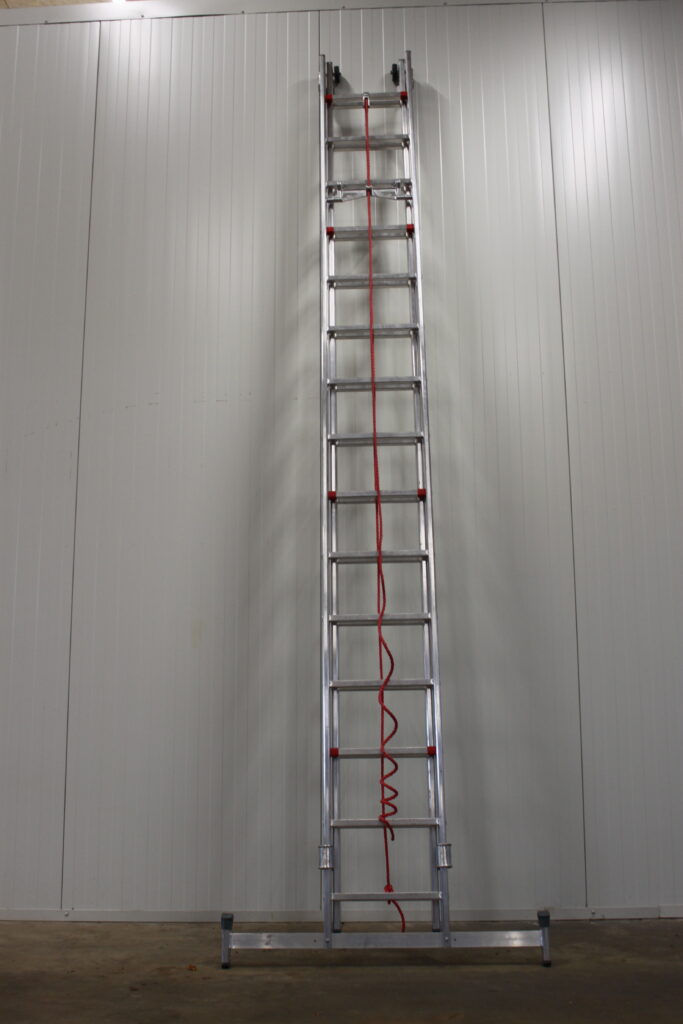
Practical use of ladders

The Danish Labour Inspection Authority's regulations for the use of ladders

As a user of ladders, a number of requirements have been established. These requirements must protect the user with regard to safety and ergonomics. As a starting point, we distinguish between the use of portable and fixed ladders, which provide access to machines and buildings. The most important guidance can be found here: Prevent falls from heights

Furthermore, there are a number of fact sheets and industry guidelines on the safe use of ladders. All of these can be found on the Danish Labour Inspection Authority’s website. www.at.dk. As a supplier of ladders, it is important to us that our ladders and platforms meet these requirements, but just as important is the advice we provide to our customers. Therefore, we have listed some of the requirements here, as well as our own recommendations on how they can be met.
Stige's stand and review

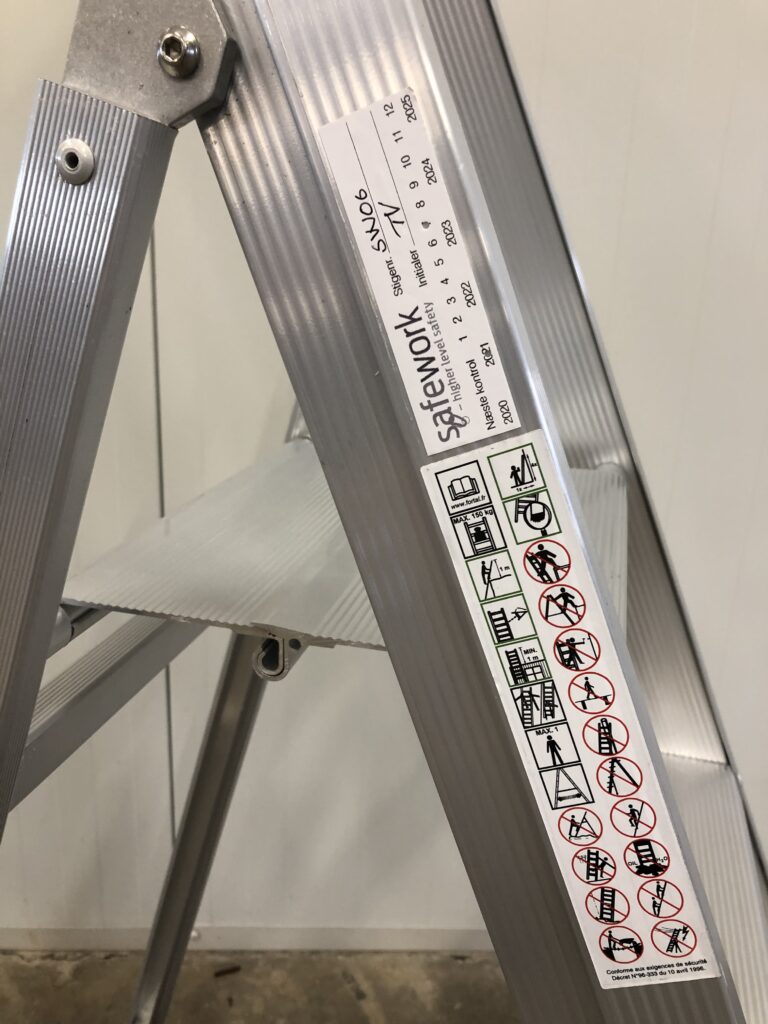
A ladder must not have any defects. Before it is put into use, you must ensure that it operates in accordance with the regulations defined by the manufacturer. Similarly, you must ensure that the ladder is used only in accordance with the manufacturer’s instructions. For example, before using a combination ladder, it is important to read the pictograms to avoid improper use.

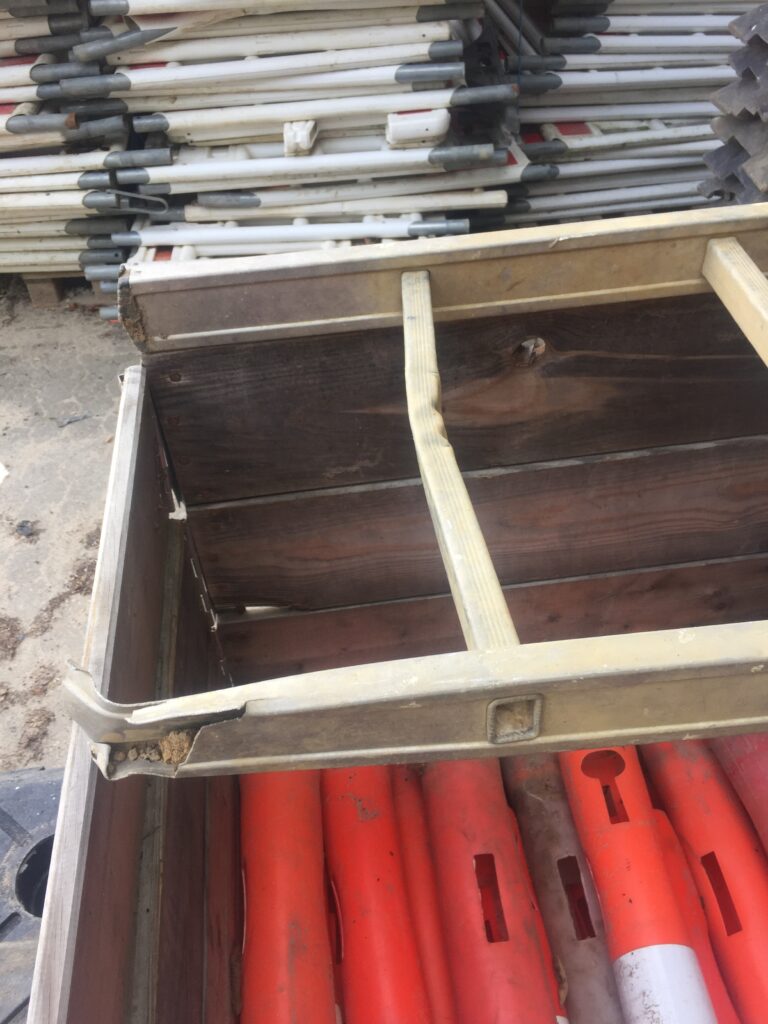
It is a good practice to check the ladder before use. The ladder’s rungs must be intact, without bulges or cracks. The steps must also be intact and without bulges. The ladder must be able to stand evenly on both feet or one step foot. This step foot must match the ladder, as defined by the manufacturer.

Locking devices and safety chains must be intact and functional. Likewise, hinges must function and must not allow the ladder to be used inappropriately.

Stairs, like many other safety equipment, must undergo an annual inspection, during which the stair is inspected by an expert. This also includes accessories for the stair.

Length of the bridge

With portable ladders, work performed from a ladder must not be carried out at a height greater than 5 meters, measured from the ground level to the last step you stand on. However, with some exceptions, which are assessed based on the task being performed. If the ladder is over 5 meters, there must be a footman, unless the ladder is fixed, e.g. with a rail holder.

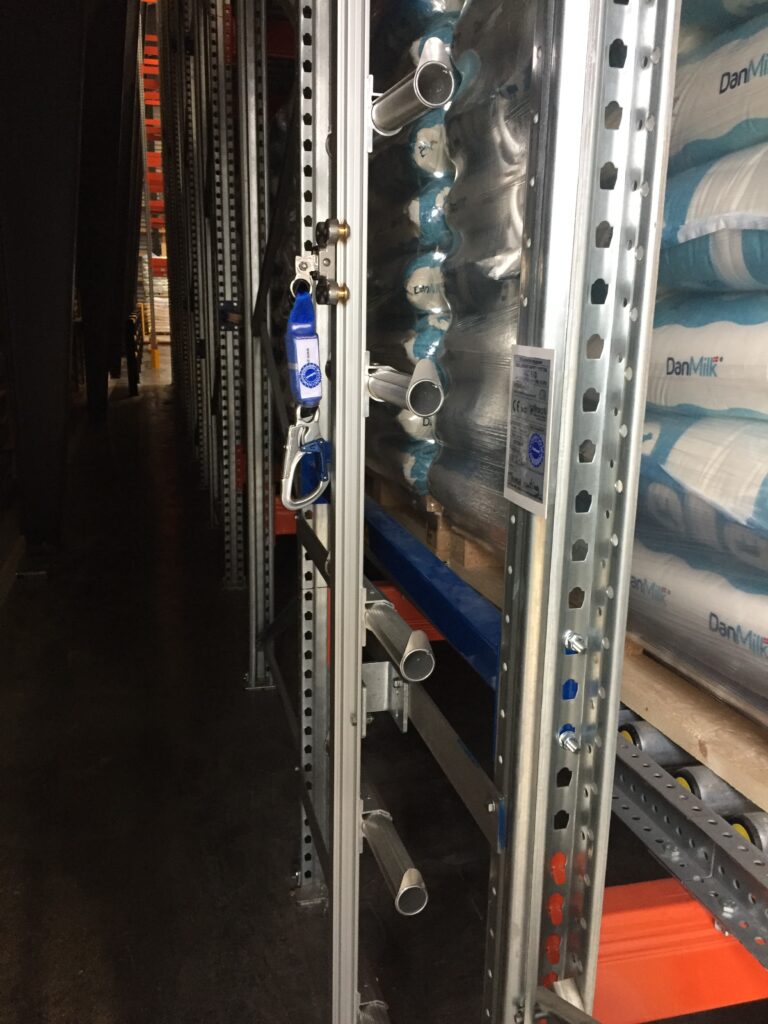
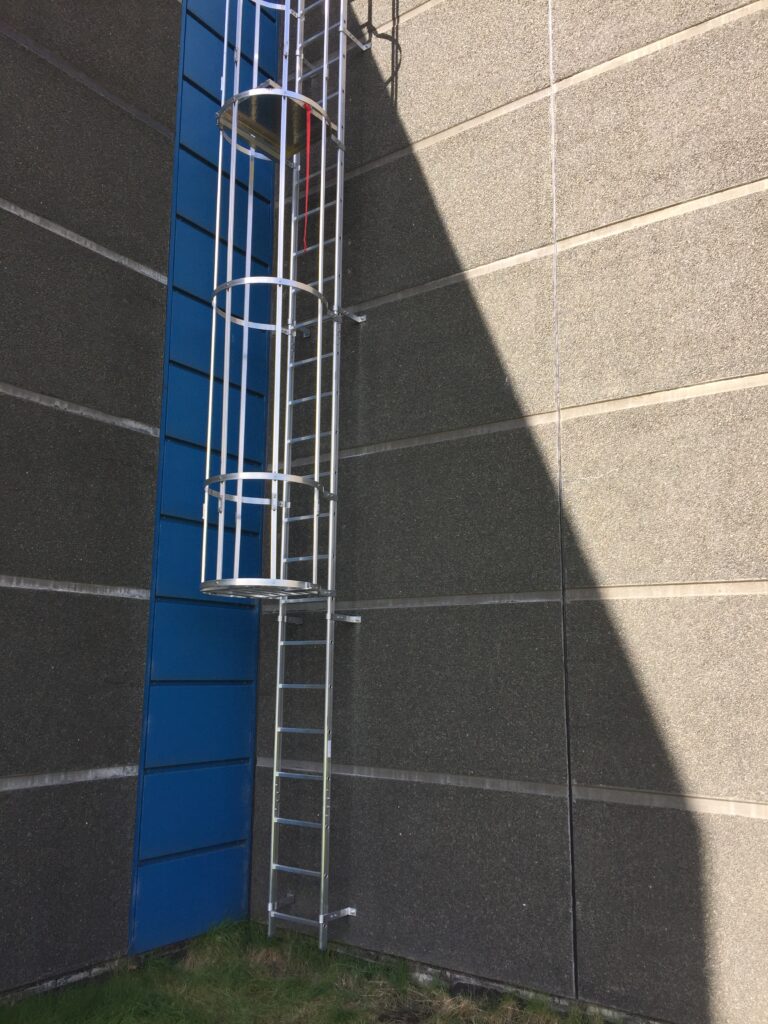
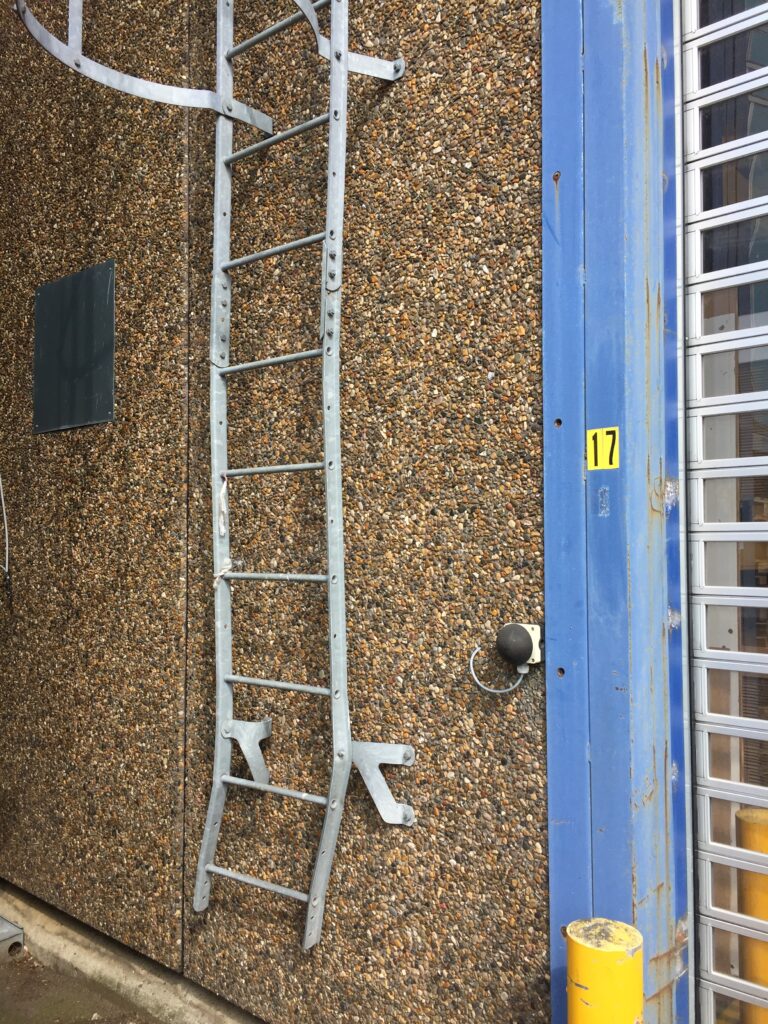
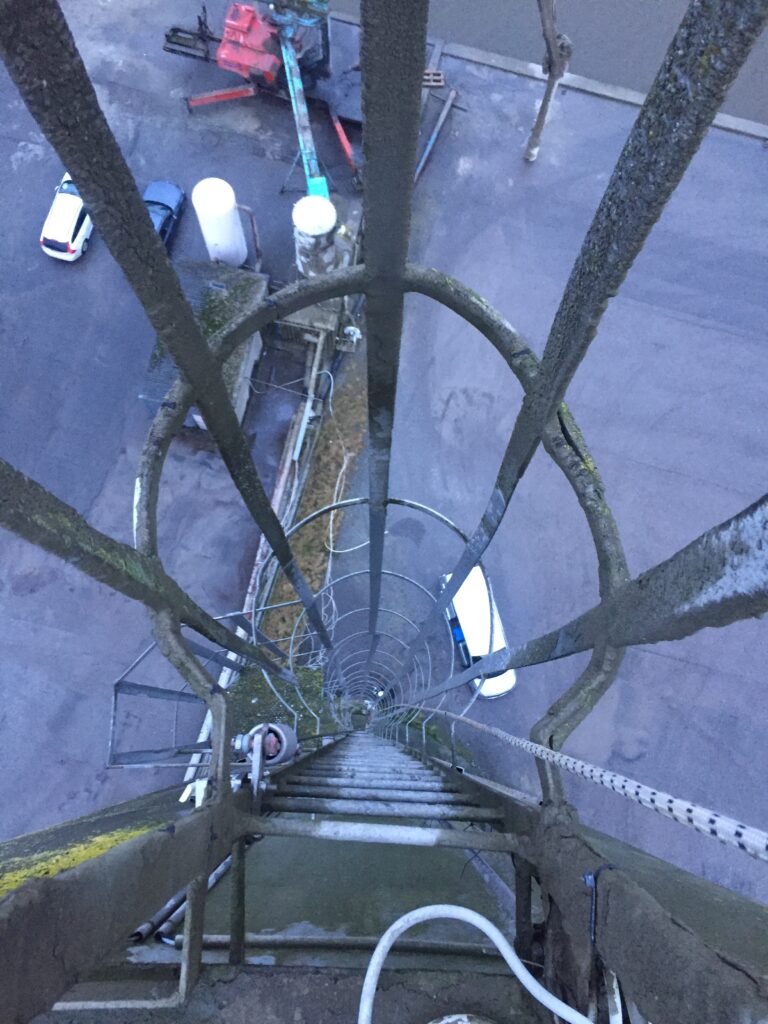
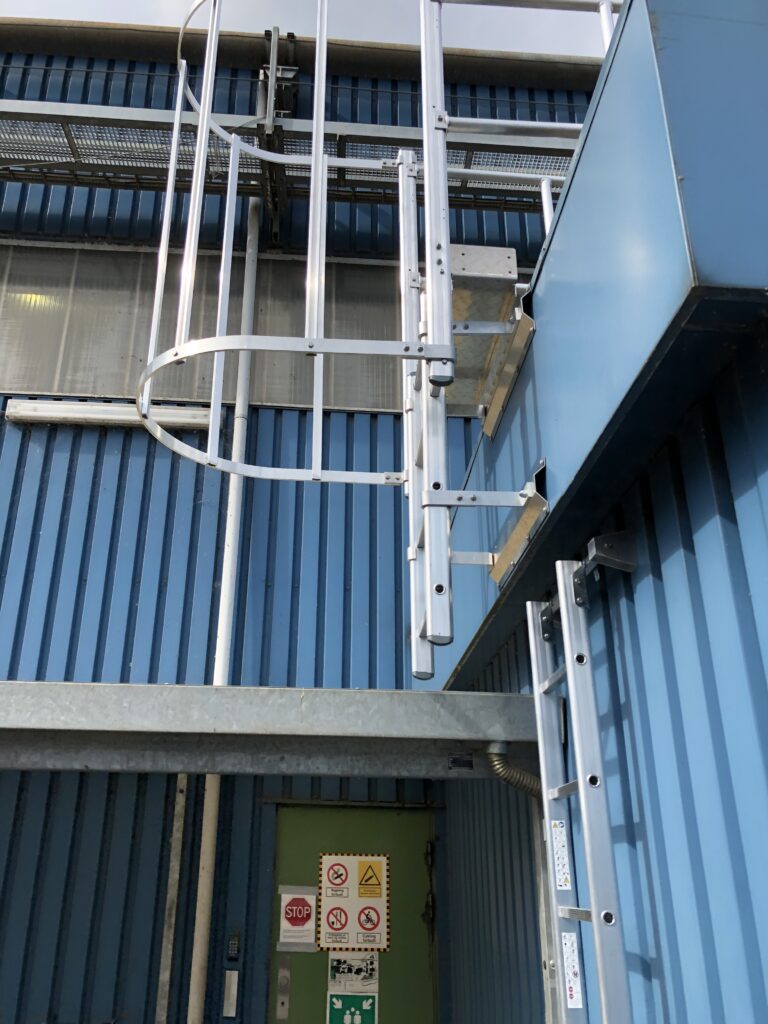
If a portable ladder is used as an access route, it must be placed at least 1 meter above the access point. If there is a fixed ladder, it must be equipped with safety bars if the ladder is over 3 meters high. A fixed ladder does not have a maximum height, but there must be a rest platform for every 6 meters. However, this distance may vary based on the frequency of use or if the ladder has a fall protection system installed that ensures the user is protected against falls.
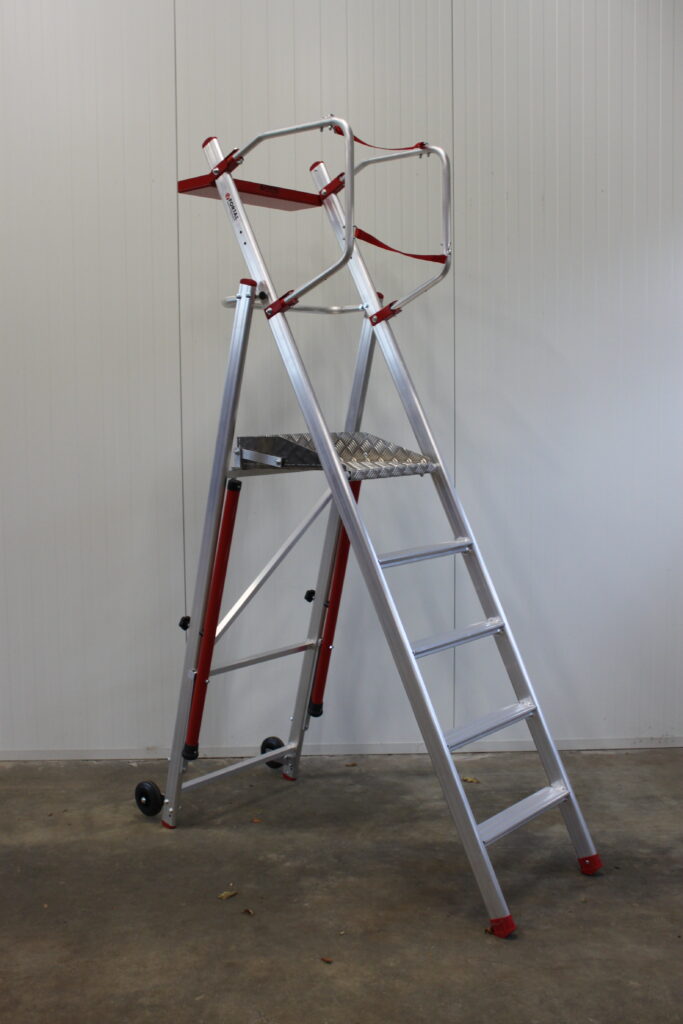
Daily use

A ladder can have several functions. It can be used as a temporary access route, for light repairs, inspection at height, or assembly. Common to all is that the ladder must only be used for a short period of time. That is, a maximum of 30 minutes at a time, unless alternating between working from a ladder, a fixed platform, or scaffolding is used. Throughout a workday, a ladder should not be used more than 1/3 of the time, and one should always consider other solutions such as scaffolding, lifts, or another work platform.

Remember before you start

  • The ladder must fit the task. It is not allowed to modify or combine the ladder to achieve a different basic functionality.
  • You need suitable footwear that fits firmly on the foot and has a soft and non-slip sole
  • You must stand/work at the maximum from the 3rd highest step and, except for approved wire rope ladders, there must only be one user on the ladder
  • Tools used from a ladder must be lightweight and must be operable with one hand.
  • The inclination of a mounted ladder must be correct. Normally 75 degrees. This applies to single-stage, climbing and wheelchair ladders.
  • Check the ladder before use. The strength of the ladder depends on its construction and if the steps or rungs are weakened, it can have fatal consequences.

Follow us on LinkedIn

Safework Aps
Handwerkstraße 6
6920 Videbæk

Follow us

We are a creditworthy company based on the Bisnode credit rating system. The assessment is made based on a number of different decision-making rules. The information is updated daily via the Bisnode database. The credit rating of the company is therefore always up to date.
© Safework 2025